
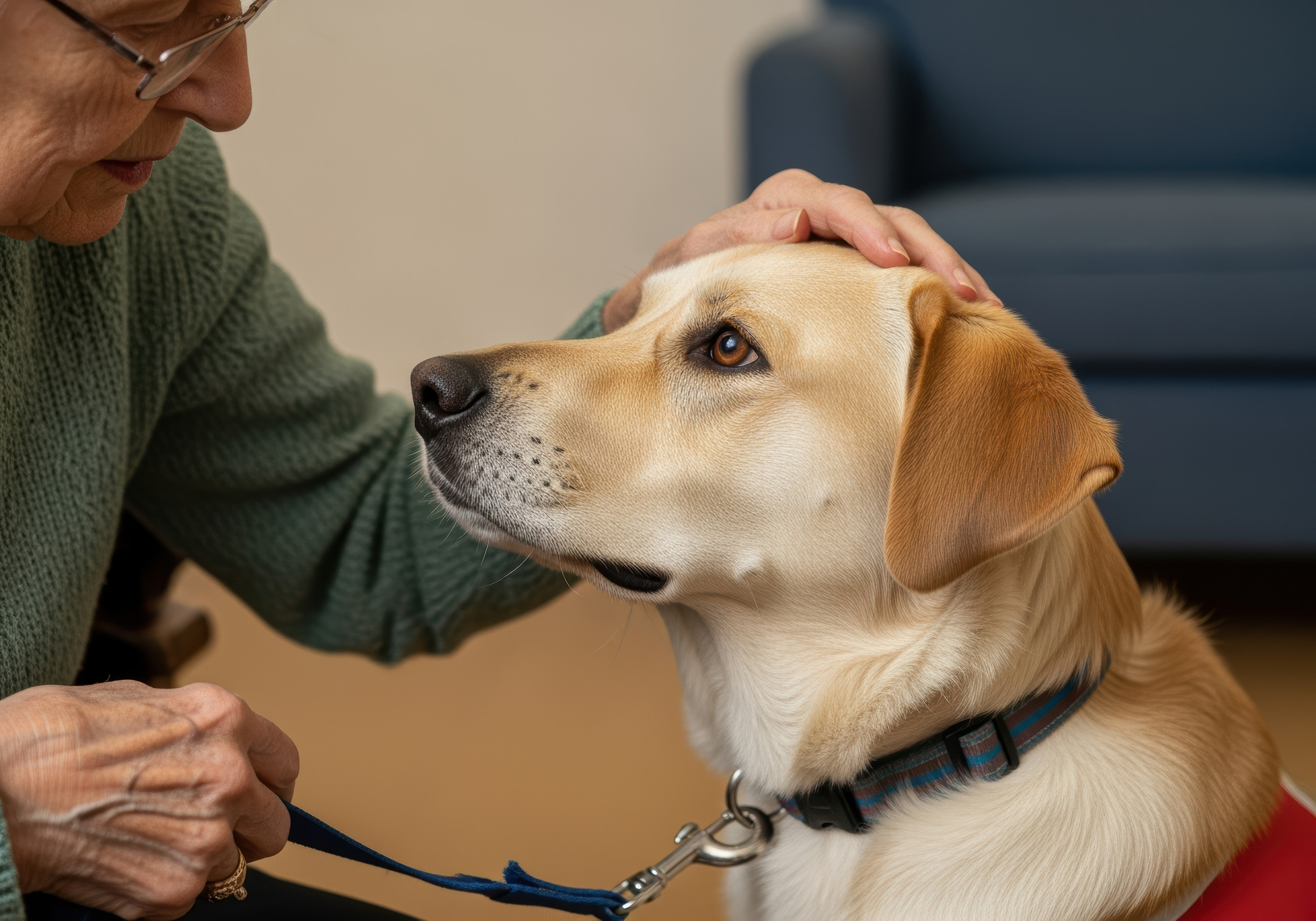
Mental health care continues to evolve, blending evidence-based treatments with holistic approaches that honor each individual’s unique journey toward well-being. One such complementary modality gaining attention across psychiatric and therapeutic practices is Animal Assisted Therapy (AAT). At Brainerd Lakes Area Psychiatry, this approach isn’t a novelty—it’s part of a thoughtful continuum of care that supports emotional regulation, social engagement, and therapeutic progress.
While traditional talk therapy and medication management form the backbone of many treatment plans, incorporating AAT can provide additional layers of comfort, emotional safety, and engagement that enrich the healing experience.
Understanding AAT begins with recognizing the profound human-animal bond—a connection that many find instinctively soothing and deeply grounding.
At its core, AAT is a structured therapeutic intervention that intentionally includes animals as part of the treatment process. Animals such as dogs, horses, and other trained therapy partners work alongside clinicians to support a person’s journey toward improved emotional and mental health. This is not simply having a pet in the room; it’s a guided interaction used as a tool within a clinical framework, tailored to specific objectives and outcomes.
One of the unique benefits of AAT is that it often encourages participation from individuals who might otherwise feel hesitant or overwhelmed in a traditional therapy setting. The presence of an animal can feel non-judgmental and welcoming—creating a bridge for communication and connection that might otherwise take weeks of conventional therapy to establish.
While the image of a friendly therapy dog might conjure feelings of calm, research suggests these interactions can create measurable psychological and physiological responses.
Engaging with animals has been shown to:
These physiological changes can make therapy sessions feel more accessible, especially for individuals experiencing anxiety, trauma-related symptoms, or emotional withdrawal.
Animal Assisted Therapy works best in conjunction with other therapeutic tools. At Brainerd Lakes Area Psychiatry, clinicians integrate AAT within personalized treatment plans—meaning each patient’s goals, preferences, and clinical needs guide how and when animals are introduced to the therapy process.
Unlike pets or comfort animals that provide companionship in informal settings, AAT animals are carefully chosen and trained to participate in therapy sessions under professional supervision. This ensures safety, consistency, and a therapeutic structure that centers the patient’s well-being.
For example:
While responses to AAT vary by individual, many people notice common themes in their experiences:
Animals can serve as grounding anchors that help decrease hyperarousal and quiet overwhelming emotional states. Their presence invites focus on the present moment—an essential part of many therapeutic strategies.
For individuals who struggle with traditional therapy settings, animals can help lower defensiveness and foster trust—making it easier to explore deeper topics.
For some clients—especially children, adolescents, or those with social communication challenges—interactions with therapy animals can support the development of empathy, patience, and nonverbal communication skills.
Animal Assisted Therapy is not a standalone miracle cure—but when thoughtfully woven into a broader care plan, it can enrich the therapeutic experience in meaningful ways. At Brainerd Lakes Area Psychiatry, AAT complements a full range of services including medication oversight, trauma-informed therapies, and advanced treatments designed to support people across the lifespan.
Effectively integrating AAT requires:
Our relationship with animals has a long history, rooted in companionship, trust, and shared experience. In clinical contexts, that history becomes a therapeutic asset: the human-animal bond can motivate engagement, enhance connection, and offer moments of joy that reinforce positive change.
Whether someone is working through anxiety, managing depressive symptoms, navigating trauma recovery, or building communication skills, the presence of an animal can help anchor progress in ways that feel meaningful and authentic.
Animal Assisted Therapy continues to gain recognition as a valuable complement to mental health care. While not everyone will choose AAT—and some individuals may prefer other therapeutic pathways—those who do find that it adds a compassionate, person-centered dimension to their care.
At Brainerd Lakes Area Psychiatry, AAT represents one of several innovative and heartfelt approaches to helping individuals feel understood, supported, and empowered on their healing journey.
Additional Information:
‘Animal-Assisted Therapy Research – People-Animal Connection | UCLA
